
Montgomery County Arrest Warrants Explained
A Montgomery County arrest warrant is a court order that lets police take a named person into custody on a charge. It rests on an allegation plus probable cause. Nothing erases it on its own. The order stays live until it is served, recalled, or cleared some other way. Two paths create one in Maryland. Maryland Rule 4-212 lets a District commissioner issue a warrant on a statement of charges or an application, while the Circuit route runs through an information or an indictment the State's Attorney presents. Either way, the practical result is the same for the person named. A police officer may arrest on sight.
Montgomery County Arrest Warrant Issuance
Most people meet the commissioner route first. An officer, or a private applicant, swears to a statement of charges. The Montgomery County commissioner then reviews it for probable cause and decides in the same sitting. A commissioner can also set the initial release conditions, which is why the first appearance in a case often happens before any judge sees it. If a defendant cannot meet those conditions, a judge takes up the release question at the next business day. The detention center's own guidebook documents the process, and the District Court directory shows where that work happens.
Inside a Montgomery County Arrest Warrant
The signed order carries the identifiers that tie a person to a charge and a court to a file. Read the issuing court and the date first. Those two fields decide who can answer questions about a Montgomery County warrant.
| Warrant or Case Number | The tracking number for the order, in a format such as W-2024-000456 |
|---|---|
| Named Subject | The person named on the application or charging document |
| Charge | The offense alleged, as written on the statement of charges or indictment |
| Issuing Authority | A District Court commissioner or a Circuit Court judge |
| Bond or Condition | Any release condition or amount set when the order was signed |
| Date Issued | The day the order was signed and entered |
Note: Descriptive details such as date of birth, address, and physical description stay in the agency record and are not published here.
Sealed Montgomery County Arrest Warrants
A warrant no one can serve quietly is worth little, so Maryland limits access to arrest warrant records until the order has been served and returned, with a set period allowed before the record opens if service never happens. Some warrants are sealed outright, and a search warrant application or affidavit stays closed until it is executed. That has a practical edge for anyone doing a Montgomery County warrant check on themselves. A clean public search can coexist with a live warrant, so when the answer matters, ask the agency that would serve it.
Serving Arrest Warrants in Montgomery County
No single office serves every warrant here. In Montgomery County, the work is split. County police warrant control enters District criminal and traffic warrants into the system, validates them, and works those cases. The sheriff's Criminal and Warrant Section carries the rest: Circuit warrants assigned to it, District civil bench warrants, domestic violence criminal warrants, child support warrants, and fugitive matters.
City departments handle their own ground too. Gaithersburg, Rockville, and Takoma Park each serve process inside their own authority. Where does service happen? Wherever the person turns up, whether at home, during a traffic stop, or at a courthouse or station for some other reason. It ends at booking, where a release decision gets made or revisited.
Montgomery County Arrest Warrant Service and Return
After a warrant is signed, it passes through four record events. Entry puts the order into the local and state systems. Validation confirms the record matches the person. Service records that the person was taken into custody, and clearance closes the warrant record after service, recall, or satisfaction. Each event is separate, and one can lag behind another. Someone booked on a Monday can still show as wanted in a police record later that week until the clearing entry lands. That gap explains most of the confusing answers people get when they call two Montgomery County agencies about the same case.
Comparing Arrest, Summons, and Bench Warrants
Maryland courts choose among three instruments, and that choice shapes how a person's first contact with a Montgomery County case happens.
| Feature | Arrest Warrant | Summons | Bench Warrant |
|---|---|---|---|
| What It Orders | Custody on a charge | Appearance on a set date | Arrest for a missed obligation |
| Basis | Probable cause of an offense | A charge that does not require custody | Failure to appear or comply |
| Who Issues It | Commissioner or judge | The court, on application | The judge from the bench |
| How to Respond | Surrender, bond, counsel | Appear on the date | Recall or appear |
Ignore a criminal summons and it can turn into a warrant later, which is why the bench warrants process matters even in a Montgomery County case that started with a piece of paper.
After Montgomery County Police Confirm a Warrant
A confirmed warrant in Montgomery County is the start of a plan, not the finish. The moves from here are legal ones. Get a lawyer first, talk through a surrender, and prepare the release argument before you walk in anywhere. The county police cover the practical side too, from the turn-in address to the ID you must bring: MCPD warrants and turn-in instructions.
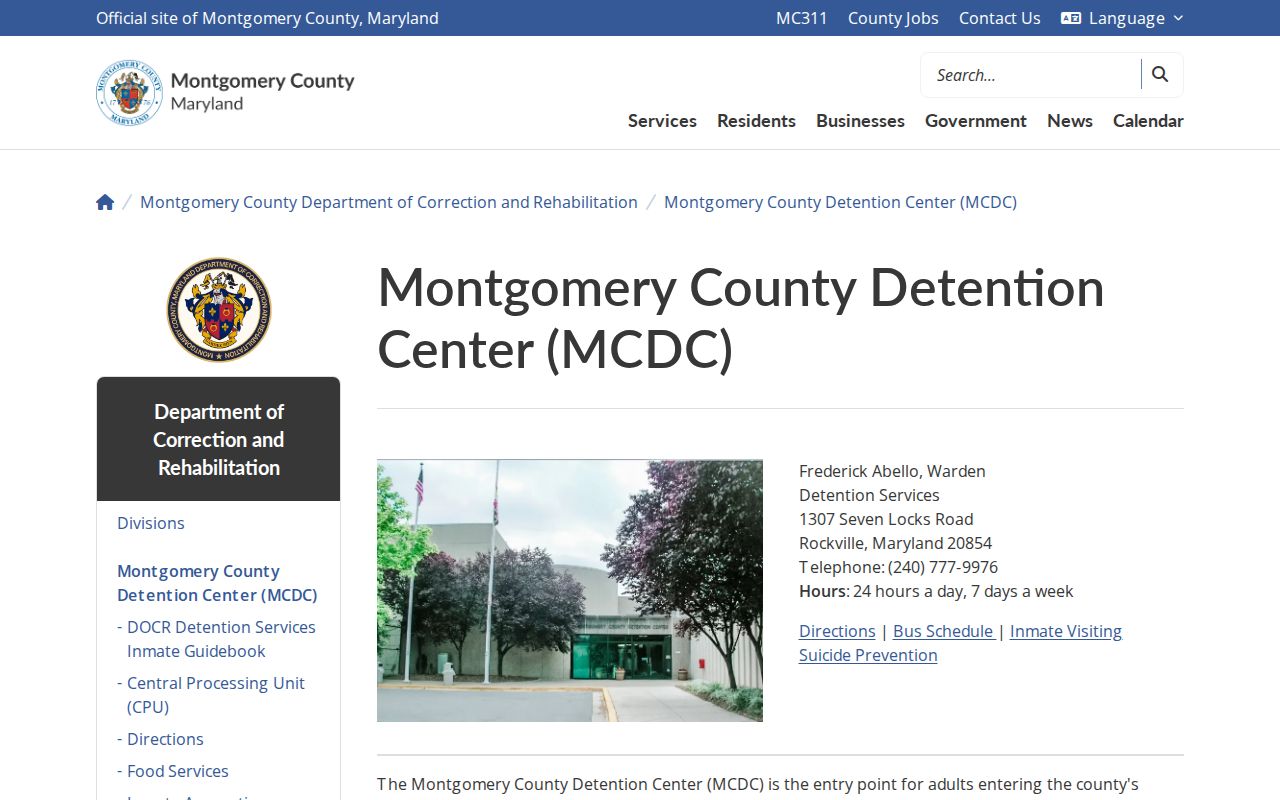
In Montgomery County, the detention center takes voluntary turn-ins at a dedicated window on weekdays, 7 a.m. to 3 p.m. District stations accept turn-ins at any hour.
If There's an Arrest Warrant for You
A planned surrender beats a surprise arrest. A Montgomery County lawyer can negotiate conditions you would never get walking in alone. Three routes exist: surrender, post bond, or move the issuing court to recall the warrant. Counsel should choose the order.
- Confirm the warrant and the issuing court before deciding anything.
- Retain a defense attorney, or ask the Public Defender how to proceed.
- Bring valid identification to any intake location you are directed to.
- Plan for the release hearing, and know what conditions you can realistically meet.
Important: Consult a lawyer before turning yourself in, since release conditions are set by a commissioner or judge and can include detention until a hearing.
Federal Warrants Are Separate From Montgomery County
Federal warrants live outside the state case system. Montgomery County agencies cannot clear one, so skip the county warrant line entirely. That work belongs to the U.S. Marshals, whose regional task force covers Maryland, the District of Columbia, and Virginia. The issuing court is the U.S. District Court for the District of Maryland in Greenbelt. Federal dockets also carry their own access rules and fees, which differ from anything at the county level. Anyone checking a federal matter should start with the U.S. District Court, Greenbelt.